
One thousand years ago, Motupōhue was clad in a pristine podocarp forest. Centuries-old trees soared into the sky protecting a remarkable ecosystem. There were no land mammals, so birds ruled the forest. Giant moa, Haast Eagles and kiwi were everywhere. The birdsong would have been deafening. Seal colonies would have been all round the coastline with seals found far into the forest. Generations of titi and penguins had burrowed into the hill creating a fertile soil. Pods of whales passed through Te Ara a Kiwa (Foveaux Strait) to feed and breed.
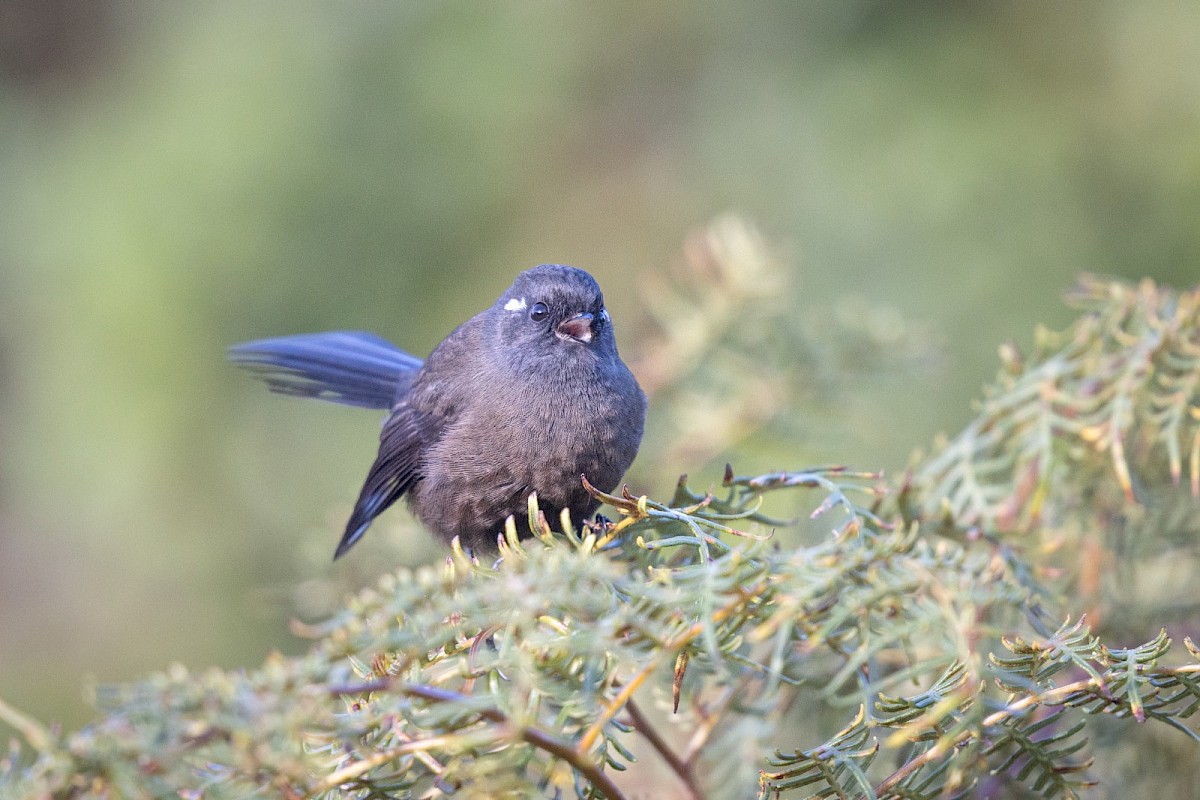

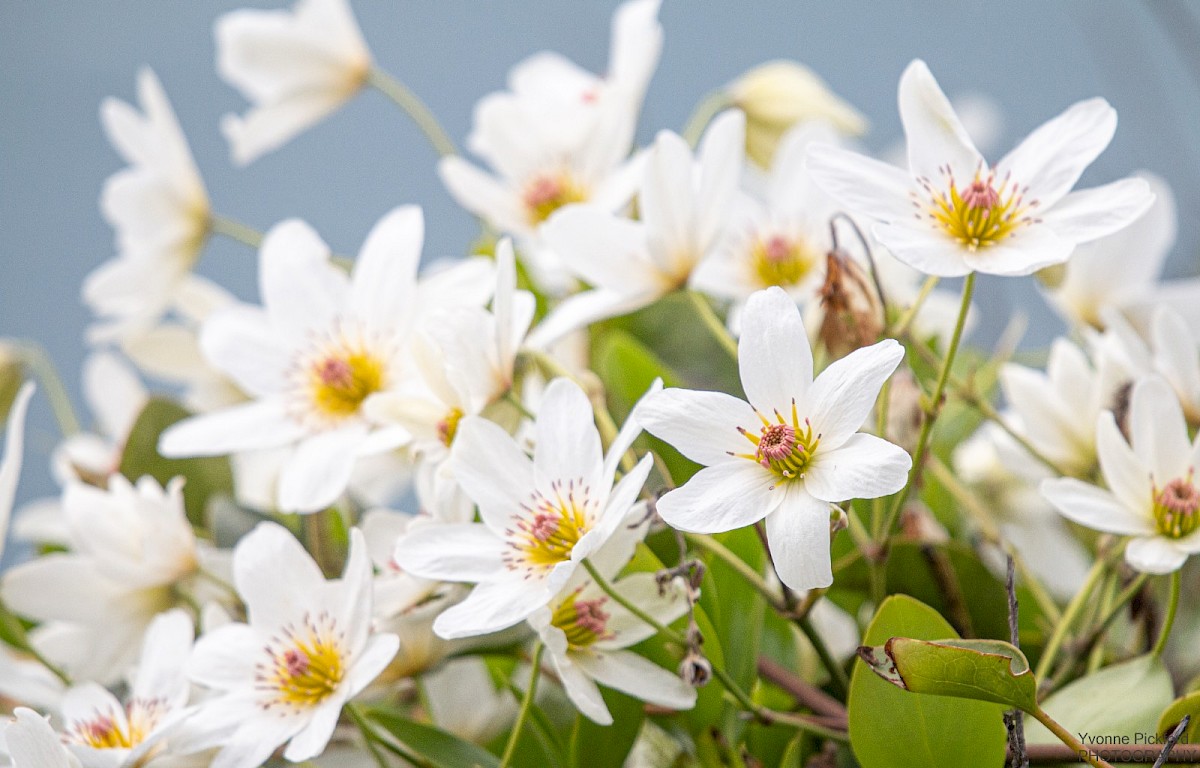
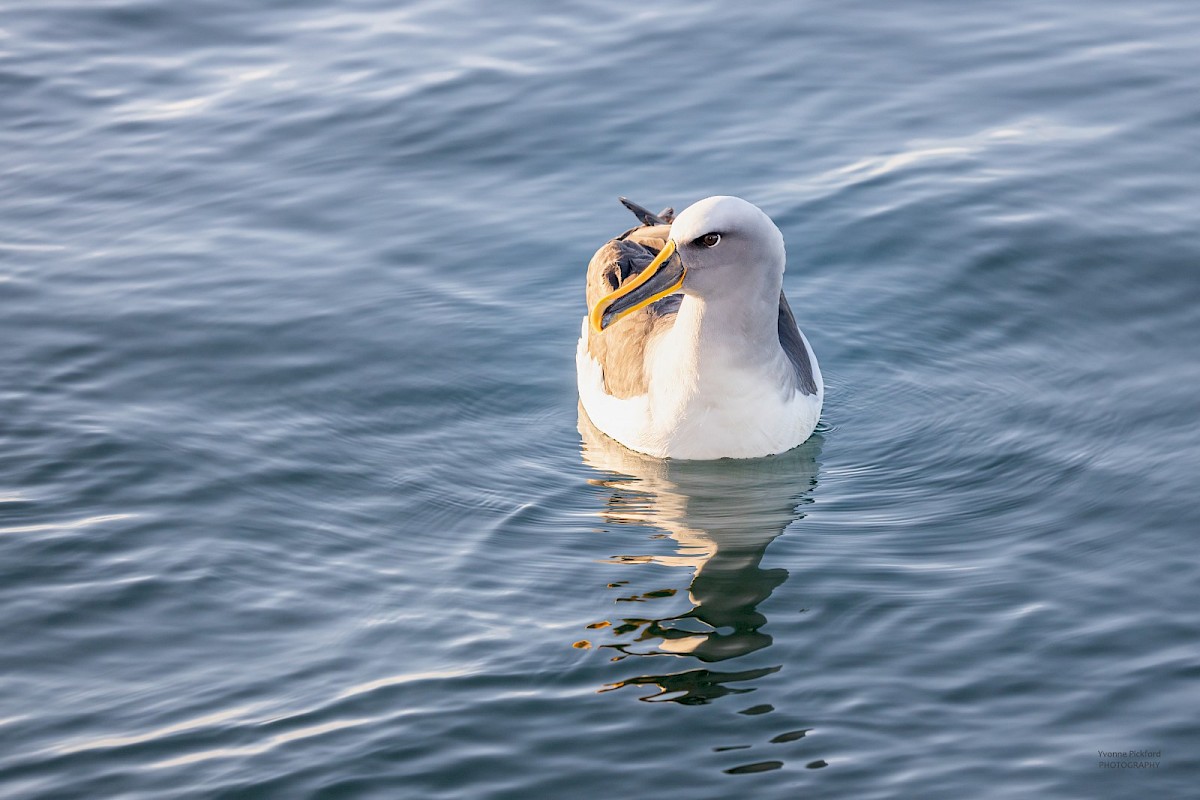
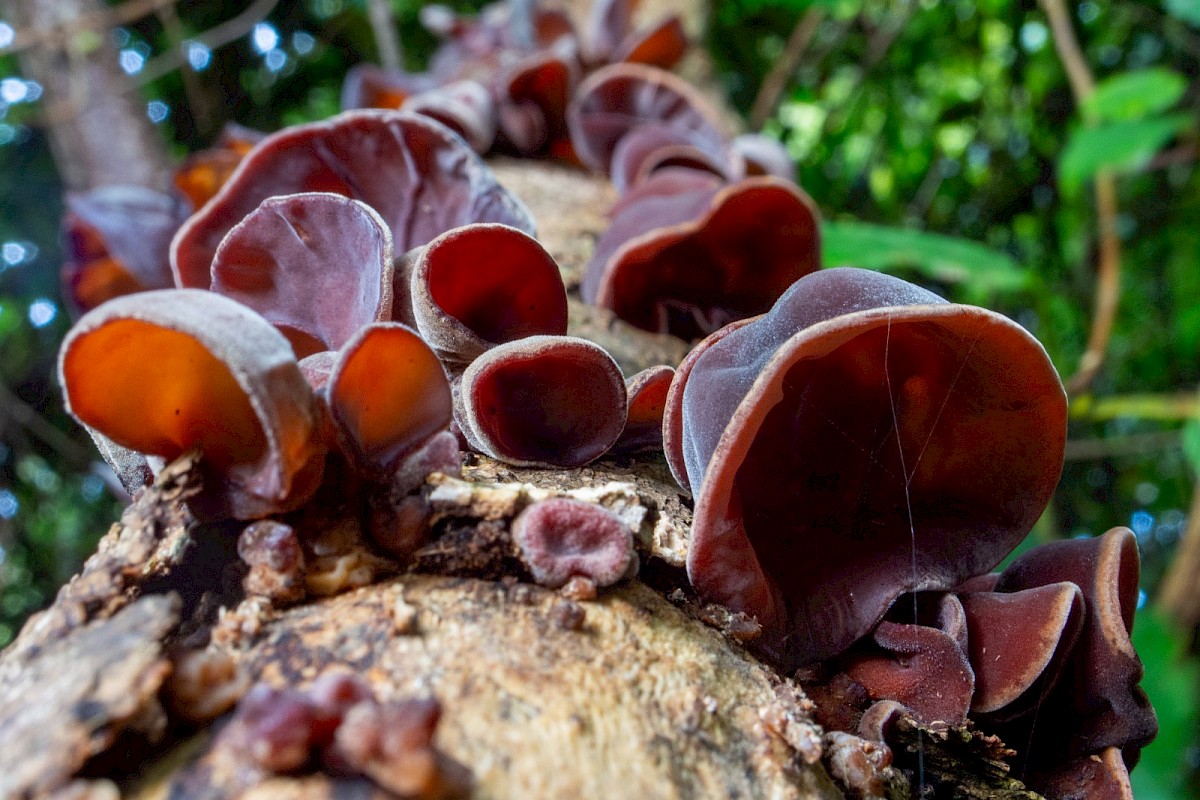
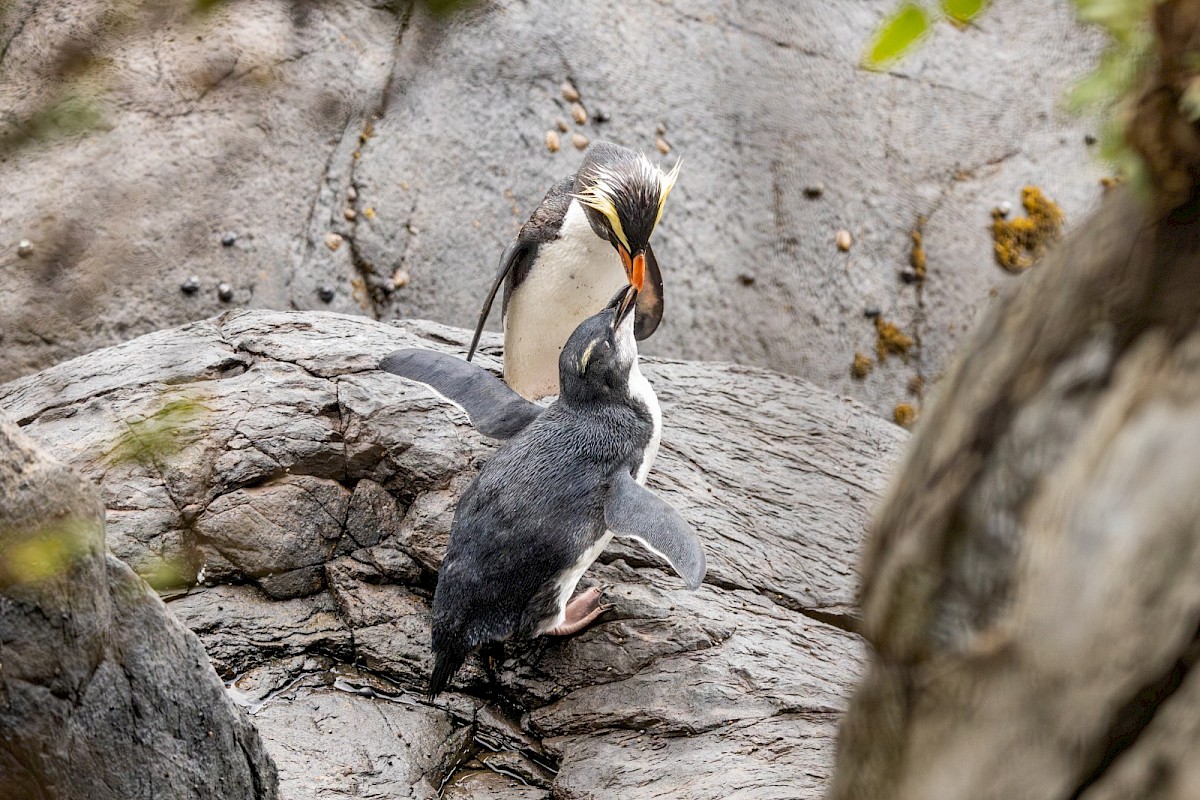
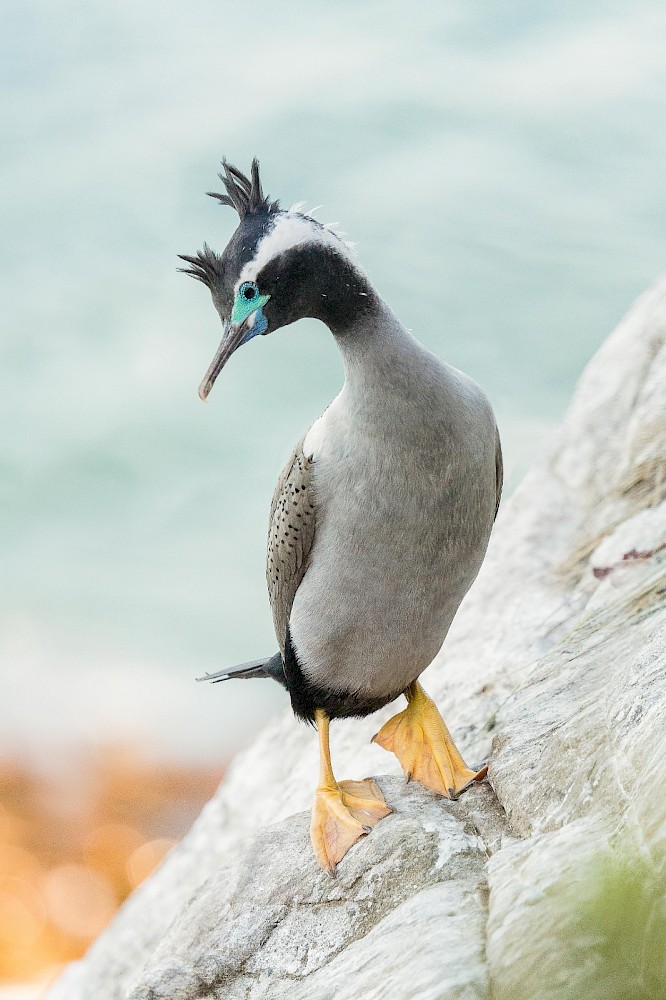
We’ve lost so very much. The old-growth forest was largely felled to make way for sheep paddock and several phases of plantation forest. Seals and whales had been hunted to near-extinction. But the real problem was introduced predators. Rats, stoats, weasels and possums were eating native vegetation and native chicks. Bird populations were being decimated. The remaining forest was dying and silent.
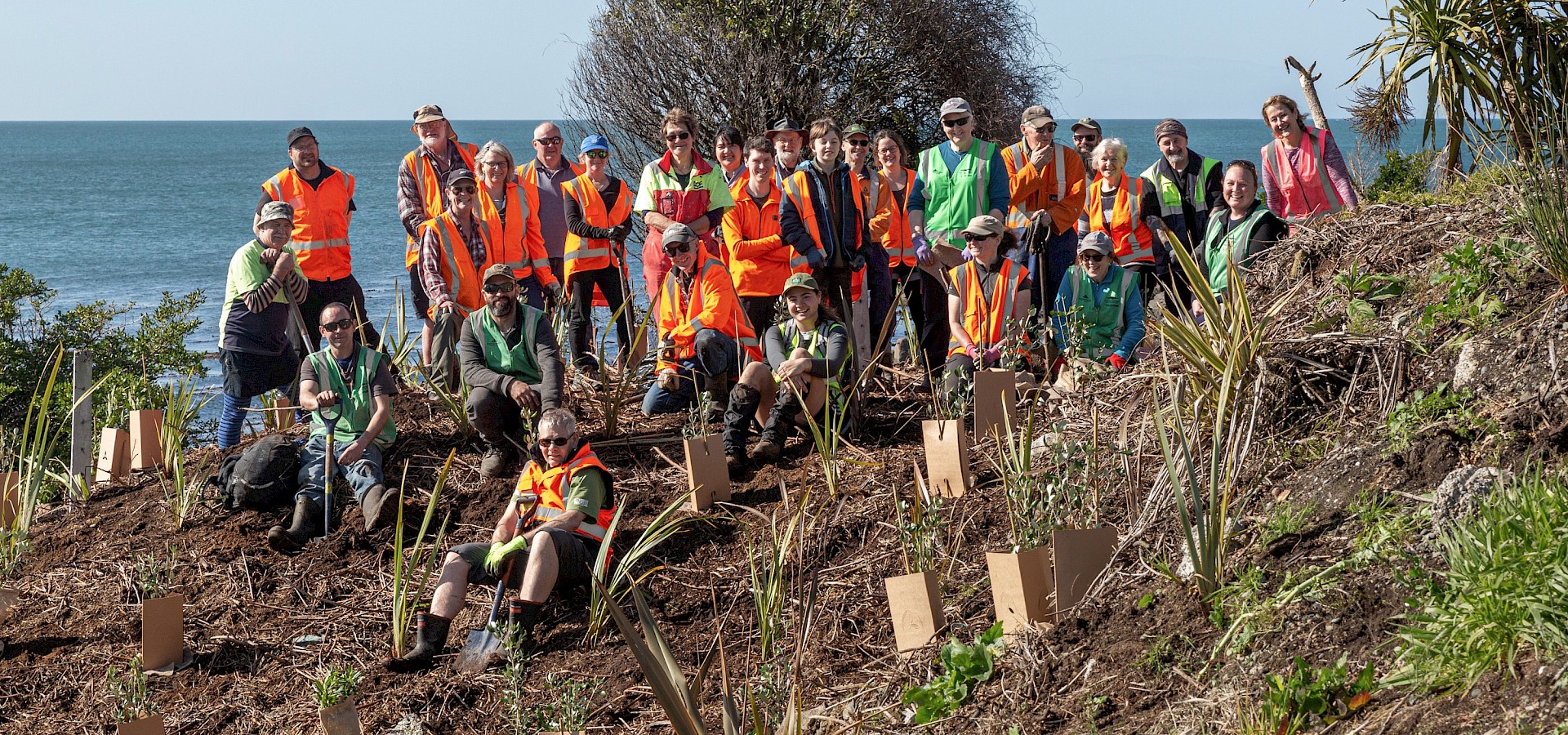
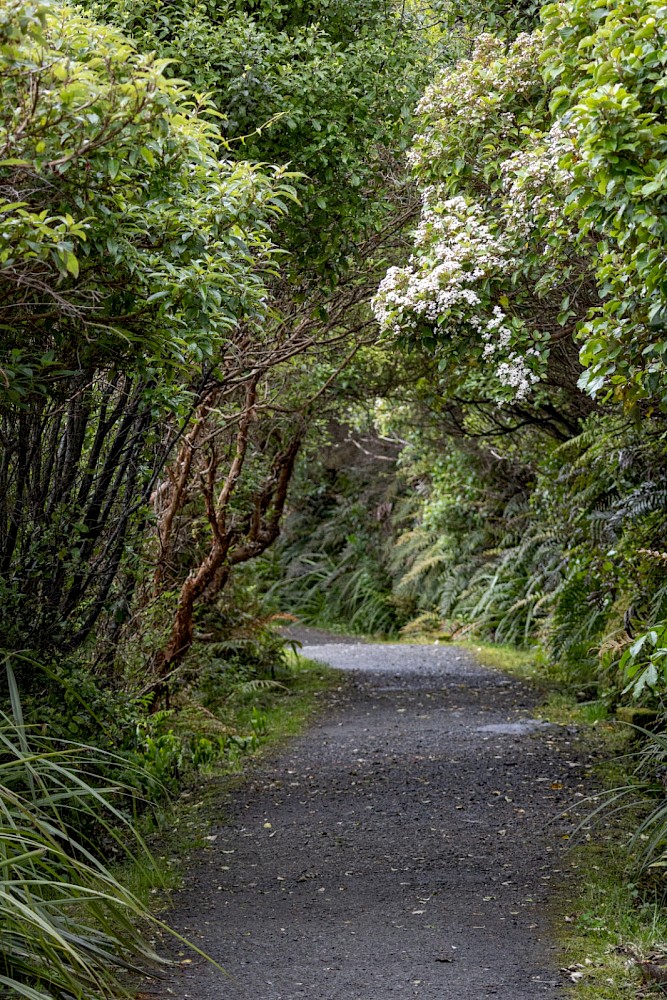
Back in 2008 local residents said ‘enough’ and founded the Bluff Hill Motupōhue Environment Trust to reverse the damage. An extensive network of traps was placed throughout the remaining forest and dedicated volunteers did the hard mahi to check, clear and rebait the traps. If you walk the Glory Track today, you’ll hear the results of that mahi. The birdsong is amazing.
We’ve lost so much but we’ll lose no more. We eventually want to reintroduce some of the locally extinct species back onto Motupōhue.
Our mahi over the last five years has resulted in record low numbers of predators across Motupōhue and Omaui and increasingly on the peninsula in between. Our amibition is to start the process of healing further afield - around Bluff Harbour, into the Awarua-Waituna wetlands. Our experience with the latest automatic trap and monitoring technologies tells us that this is an achievable goal.
Will you help us? We need money, volunteers and publicity. If you’re interested, please email [Enable JavaScript to view protected content]